


Here is a scenario that will feel familiar to many Canadian households: you walk into Costco, dazzled by the sheer size of everything, and walk out $400 lighter — with a 7-kg tub of peanut butter, three kilos of mixed greens, and a set of garden chairs you did not plan to buy. A month later, half the greens are in the compost bin, and you realize you saved exactly nothing.
Sound familiar? You are not alone. Costco Canada is one of the most powerful tools in the frugal Canadian’s arsenal — but only if you shop it correctly. With more than 10 million Canadian members and average household grocery spending sitting at roughly $720 per month (Statistics Canada, 2023), the stakes are real.
This guide is your complete, Canada-specific roadmap to buying in bulk at Costco without wasting money. We cover which products deliver genuine per-unit savings, which ones routinely disappoint, how to decode Costco’s pricing signals, storage strategies, and the insider tricks that seasoned warehouse shoppers use every single week.
Whether you are a first-time Costco member or a veteran looking to level up, there is something here for you. Let’s dig in.
Understanding How Costco Canada’s Pricing Actually Works
Before you can save money at Costco, you need to understand how its pricing psychology operates. The warehouse format intentionally trades variety for volume — Costco stocks roughly 3,700 SKUs versus the 30,000+ at a conventional grocery store. That limited selection is what allows them to negotiate rock-bottom prices from suppliers.
Decoding the Price Tag
Costco’s price tags carry hidden signals that experienced shoppers have learned to read at a glance:
- Price ending in .99 — This is the standard everyday price.
- Price ending in .97 — The item is on markdown. A manager has discretion to reduce the price, and it may not last long.
- Asterisk (*) in the top-right corner — The so-called ‘death star.’ This item will not be restocked. If you love it, buy extra now.
- Price ending in .00 or .88 — Often a manager’s special on clearance items, particularly for food court and seasonal goods.
The Monthly Coupon Book and ‘Markdown Mondays’
Costco Canada releases a monthly coupon book that delivers savings on dozens of products — typically $3 to $10 off per item. You can access it online at costco.ca or pick up a physical copy in-store. Additionally, a phenomenon known among regulars as ‘Markdown Mondays’ sees new in-store discounts applied weekly — while not an official Costco term, it is widely acknowledged by Canadian Costco influencers and community members on Reddit’s r/CostcoCanada.
Costco Canada Membership: Which Tier Is Right for You?
You cannot shop at Costco without a membership, so the first spending question is whether the fee pays for itself — and if so, at which tier.
Table 1: Costco Canada Membership Comparison (2025)
Feature | Gold Star ($65/yr) | Executive ($130/yr) | Best For |
Warehouse Access | ✅ Yes | ✅ Yes | Everyone |
2% Annual Reward | ❌ No | ✅ Up to $1,000 | High spenders |
Additional Cardholder | ✅ Free | ✅ Free | Families |
Costco Travel Savings | ✅ Yes | ✅ Yes + extras | Travellers |
Break-even Spend | N/A | ~$3,250/yr at Costco | Big families |
*Prices current as of early 2025. Always verify at costco.ca as membership fees are subject to change.
The math on the Executive membership is straightforward: if you spend at least $3,250 per year at Costco (roughly $270/month), the 2% annual reward of $65 covers the $65 premium over the Gold Star plan, making it effectively free. For a family of four doing regular bulk grocery runs, this threshold is very achievable.
Here is a practical tip: if you are unsure, start with the Gold Star plan. You can upgrade to Executive at any time and Costco will prorate the difference. Both tiers come with Costco’s famous no-questions-asked return policy — including a full refund of your membership fee if you decide it is not for you.
The Best Things to Buy in Bulk at Costco Canada — And What to Skip
Not every product at Costco represents a genuine deal. The key to smart bulk buying is knowing the difference between items with a real per-unit advantage and those that simply look good on the shelf.
Top Bulk Buys That Consistently Deliver Savings
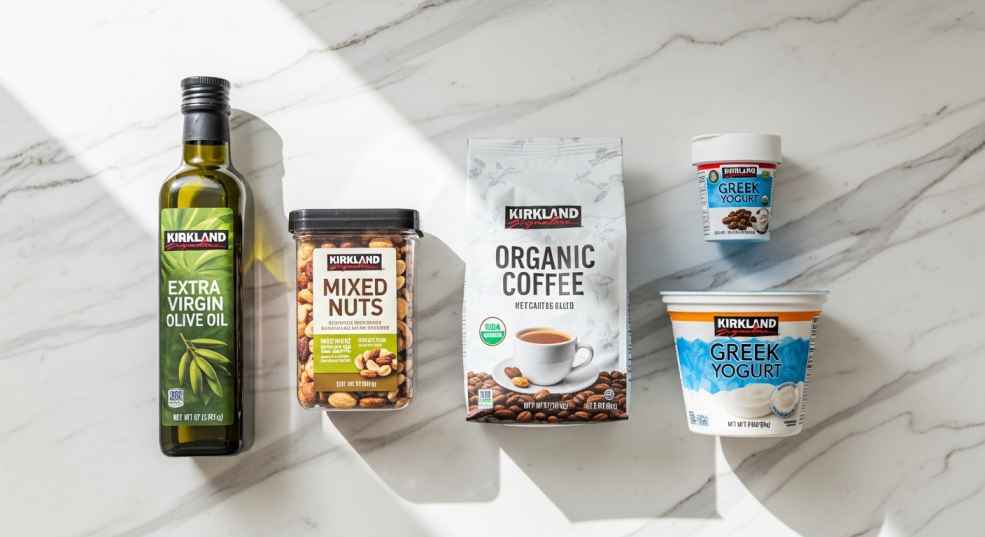
- Kirkland Signature Toilet Paper and Paper Towels. Paper goods are universally cited as a Costco strength. At roughly $0.37 per roll for toilet paper versus $0.65 or more at conventional grocers, the savings are substantial and there is zero waste risk.
- Extra Virgin Olive Oil (3L). Costco’s Kirkland EVOO regularly comes in around $0.43 per 100ml compared to $0.80+ at Loblaws or Metro. It is a pantry staple that won’t expire quickly if stored properly.
- Kirkland Allergy Medication (Cetirizine 10mg). One of the most jaw-dropping deals in the entire store. Kirkland’s generic cetirizine clocks in at roughly $0.05 per pill compared to $0.25–$0.35 per pill for name brands at Shoppers Drug Mart. For allergy sufferers, this single item can justify the membership fee.
- Plain Greek Yogurt (2kg). A protein staple for Canadian families. The per-100g price at Costco is consistently 30–40% lower than at mainstream grocery stores.
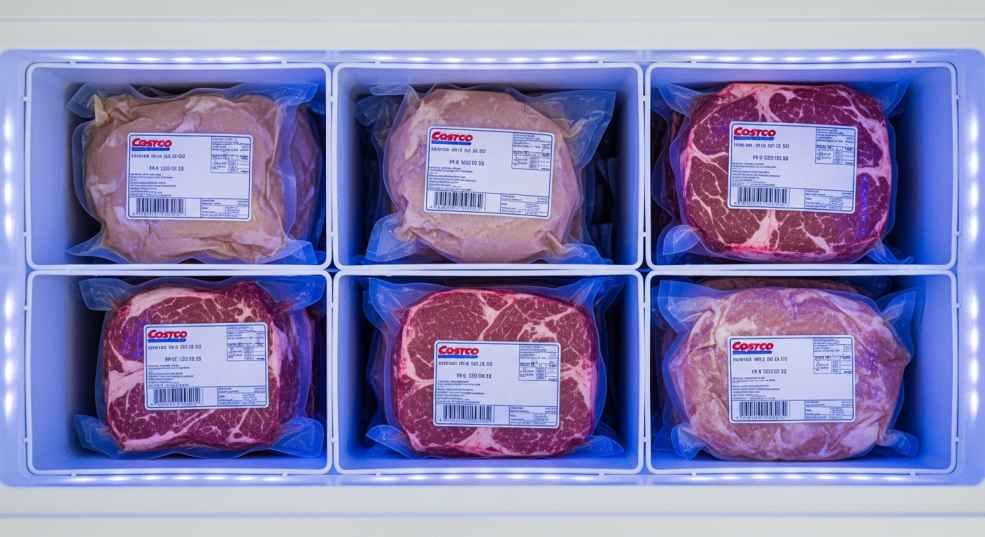
- Kirkland Organic Chicken Breasts (Frozen). Meat is one of Costco’s strongest categories. Frozen organic chicken at Costco runs considerably cheaper per kilogram than at Whole Foods or Metro’s organic lines, and freezes well for months.
- Liquid Laundry Detergent (Ultra Plus or Kirkland). Large-format detergent offers strong per-load savings — just buy it no more often than every 3–4 months, as liquid detergent can degrade in efficacy over time.
- Mixed Nuts and Trail Mix. Costco’s Kirkland mixed nuts and cashews are priced well below what you’d pay at bulk food stores on a per-gram basis, and the quality is consistently high.
Items to Approach with Caution (or Skip Entirely)
- Fresh produce (strawberries, lettuce, spinach). Large quantities spoil fast. Unless your household can consume a 2lb clamshell of strawberries within three days, you risk throwing money away. Seasonal local markets often beat Costco’s prices in summer too.
- Pre-made salad kits and deli items. Convenient, but short shelf lives mean waste is almost inevitable for smaller households.
- Giant spice containers. Spices lose potency within 6–12 months of opening. A 500g jar of paprika looks like a bargain until you realize you’ll be using stale spice for three years.
- Specialty or trendy items. Costco tests trends quickly. If you buy a giant case of a trendy health food item and it disappears from shelves, or your family gets bored of it, you have wasted money.
Table 2: Costco Canada — Bulk Buy vs. Skip Quick-Reference Guide
Item | Costco Price/Unit* | Grocery Price/Unit* | Savings % | Buy or Skip? |
Kirkland Toilet Paper (30 rolls) | ~$0.37/roll | ~$0.65/roll | 43% | ✅ BUY |
Olive Oil (3L) | ~$0.43/100ml | ~$0.80/100ml | 46% | ✅ BUY |
Greek Yogurt (2kg) | ~$0.60/100g | ~$0.95/100g | 37% | ✅ BUY |
Kirkland Allergy Meds | ~$0.05/pill | ~$0.30/pill | 83% | ✅ BUY |
Fresh Strawberries (2lb) | Varies | Often lower at No Frills | 0-10% | ⚠️ CHECK |
Pre-made Salad Mix | Large qty | Smaller qty | May waste | ❌ SKIP |
Spice Jars (giant) | Low/unit | Higher/unit | Loses potency | ⚠️ SMALL HH |
*Approximate pricing for comparative purposes. Prices vary by province and over time. Always verify with current flyers using apps like Flipp or PC Optimum.
The Golden Rules of Buying in Bulk Without Wasting Money
Even the best deals in the world can cost you money if you violate a few fundamental principles of bulk buying. Here are the rules that experienced Costco Canada shoppers swear by.
Rule #1: Calculate Unit Price Before You Buy
The only number that matters in bulk buying is the price per unit — not the total sticker price. Divide the total price by the quantity (grams, millilitres, number of units) and compare that figure against regular grocery flyers using apps like Flipp, Reebee, or the PC Optimum app. You will be surprised how often a regular grocery store sale beats Costco’s everyday price.
Rule #2: Know Your Household’s Consumption Rate
This is the number one mistake new Costco members make. Buying six months’ worth of a product you use weekly makes sense. Buying six months’ worth of a product you use once a month means you might be storing expired goods. Before buying any perishable or semi-perishable in bulk, ask yourself: how long will this realistically last in our home?
- Non-perishables (canned goods, dried pasta, paper products): safe to buy in large quantities
- Freezables (meat, bread, cheese): great if you have freezer space
- Perishables (produce, deli, fresh dairy): only buy what you will use within the product’s shelf life
Rule #3: Split Bulk Purchases with Friends or Family
One of the smartest strategies in the Costco Canada playbook is the Costco split. Find a friend, neighbour, or family member and divide the cost (and the product) on items neither of you can consume alone. This works particularly well for: bulk meat packages, giant bags of coffee beans, large format cooking oils, and oversized bakery items. This strategy is legal and widely practiced — Costco’s satisfaction guarantee and liberal return policy make it low-risk for both parties.
Rule #4: Invest in Proper Storage
Bulk buying and storage infrastructure go hand in hand. If you are serious about maximizing Costco savings, the following tools pay for themselves quickly:
- Vacuum sealer: Extends the freezer life of meat, cheese, and even some vegetables significantly. Brands like FoodSaver are available at Costco itself.
- Chest freezer: A 7-cubic-foot chest freezer runs $200–$350 and can save you thousands annually by allowing you to capitalize on Costco’s meat deals year-round.
- Airtight pantry containers: Essential for bulk dry goods like rice, flour, oats, and nuts. Prevents pantry pests (an unpleasant lesson many learn the hard way).
- Label maker or freezer tape: Date everything. Seriously. ‘When did I freeze this chicken?’ is a question you never want to be forced to answer by sniffing.
Rule #5: Shop with a List and a Budget Cap
Costco is engineered for impulse buying. The ‘treasure hunt’ experience — where limited-time, non-standard products appear and disappear from the aisles — is a deliberate merchandising strategy. Without a list, you will wander. Without a budget cap, you will overspend. Arrive knowing exactly what you need, compare unit prices on your phone, and stick to the plan.
The Costco app (available for iOS and Android) allows you to build a shopping list, check current warehouse inventory, and access the digital coupon book before you arrive. Use it.
Insider Costco Canada Tips That Most Shoppers Don’t Know
The ‘Cryovac’ Meat Hack
Many Costco Canada warehouse locations will sell large quantities of meat — sometimes entire vacuum-sealed cryovac bags — at a 20–40% discount compared to the pre-packaged shelf price. This is meat that comes in frozen from the supplier and is typically thawed and repackaged for display. Ask a meat department associate at your location whether they sell ‘by the case.’ Not all locations offer this, but those that do offer remarkable value for households willing to portion and freeze.
‘Bakery by the Case’ Pricing
Similarly, many Costco bakery departments post pricing for purchasing baked goods by the original delivery case — croissants, muffins, breads, and more. The savings are typically in the 20–40% range versus individual item pricing. This is a lesser-known gem that works brilliantly when split among two or three households.
Provincial Price Differences Are Real
Canadian Costco shoppers have noted price variations across provinces. Members comparing notes on r/CostcoCanada have found differences of $2–$3 on identical items between Alberta and Ontario locations. This is partly due to provincial tax structures and partly distribution costs. If you travel between provinces, it can be worth a quick check.
Use the Costco App and Follow on Social Media
Costco Canada’s official app offers app-exclusive savings not found in-store. Following @CostcoCanada on Instagram also occasionally unlocks promotional offers. Canadian content creators in the Costco community — such as those behind Costco Lovers Canada — track new arrivals and markdowns in real time, making their social accounts a valuable supplement to the official channels.
Stack Savings with Cash-Back Credit Cards
Costco Canada is one of the few major retailers that accepts only Mastercard for in-store purchases. Using a cash-back Mastercard — particularly one that offers elevated rewards on grocery purchases — stacks nicely on top of Costco’s already-lower prices. Some cards offer 2–4% back on grocery spending, which on a $400 Costco run adds up to $8–$16 per visit. Over a year, that can comfortably offset the cost of your membership fee.
Storage Strategies to Make Your Bulk Purchases Last
The difference between a Costco success story and a money-wasting nightmare almost always comes down to storage. Here is a room-by-room approach to maximizing what you bring home.
The Freezer Is Your Best Friend
If there is one piece of advice to take away from this guide, it is this: if you are going to buy in bulk at Costco, you need adequate freezer space. A standard fridge-freezer combination is not enough for serious bulk buying. A secondary chest freezer in the basement, garage, or utility room is the single best investment a Costco member can make. Here is what freezes beautifully from Costco:
- Chicken breasts and thighs (portion first, freeze in meal-sized bags)
- Ground beef (portion into 500g or 1kg patties before freezing)
- Kirkland croissants and muffins from the bakery (freeze the day you buy)
- Shredded cheese and block cheese (vacuum seal or freeze in airtight bags)
- Salmon and seafood fillets
Pantry Organization for Dry Goods
Bulk dry goods — rice, oats, flour, pasta, nuts — are excellent Costco buys but require proper pantry storage to prevent spoilage and pests. Transfer everything to airtight food-grade containers immediately after purchase. Label with the date of purchase and the use-by date, and store in a cool, dry location away from direct sunlight.
Shelf Life Awareness: Items That Degrade Faster Than You Think
Some products look like great bulk buys but have a shorter effective lifespan than their technical ‘best before’ date suggests:
- Olive oil: Best consumed within 18 months of bottling, and quality declines after opening. A 3L jug is fine for most families who cook regularly.
- Liquid laundry detergent: Enzymes degrade after 6–9 months. Do not buy a 5L jug unless you will use it within that window.
- Spices: Ground spices lose potency within 12 months of opening. Whole spices last longer. Consider splitting with someone.
- Vitamin and supplement bottles: Potency declines over time. Only buy a large bottle if you take it daily.
Costco Canada for Small Households: Making It Work for 1–2 People
The common misconception is that Costco Canada is only for large families. That is simply not true — it just requires a smarter approach for smaller households.
For singles and couples, the three strategies that change the math are:
- The Costco split: Partner with a friend or neighbour to divide bulk purchases. Apps like Splitwise make tracking shared costs effortless.
- Focus on non-food categories: A single person can easily justify a Costco membership based on paper goods, cleaning supplies, medications, and personal care items alone — none of which expire quickly.
- Use Costco Travel and services: Booking a vacation through Costco Travel can save hundreds of dollars on a single trip — often more than an entire year’s membership fee. Costco Canada also offers competitive pricing on gas (savings of $0.05–$0.10/L at some locations), which can be meaningful for commuters.

7 Costly Mistakes Canadians Make at Costco (And How to Avoid Them)
- Shopping hungry: Costco’s free sample stations and food court are legendary. Never shop hungry — you will spend on impulse what you saved on bulk.
- Ignoring unit pricing: A big sticker price can still be a bad deal. Always do the math per gram or per unit.
- Buying new products in giant quantities: If you have never tried a product before, do not buy 5kg of it. Sample first, then stock up.
- Overlooking the return policy: Costco Canada’s satisfaction guarantee is extraordinary. If you buy something and hate it, return it. This applies to most products — even opened ones.
- Not checking the coupon book: Never shop at Costco without first reviewing the current month’s coupon book. Stacking coupon savings on top of bulk pricing is the highest-efficiency saving available.
- Buying perishables without a plan: Fresh produce and deli items require a plan. If you buy a 2kg bag of spinach, you need to know exactly how you will use it in the next three to five days.
- Skipping the app: The Costco app is underused by Canadian members. App-exclusive savings and the ability to check inventory before you drive to the warehouse can save time and money.
Conclusion: The Smart Canadian’s Costco Strategy
Buying in bulk at Costco Canada is one of the most powerful tools available to cost-conscious Canadian households — but it is a tool, not a magic solution. Used without strategy, it leads to waste, clutter, and a sense that you are spending more than you save. Used with intention, it can shave hundreds or even thousands of dollars from your annual household budget.
Here is the recap of the most important principles:
- Always calculate the unit price and compare against current flyer pricing.
- Invest in a chest freezer and proper storage containers — this unlocks the full potential of bulk buying.
- Use the Costco app, follow the monthly coupon book, and learn the price tag signals.
- Split bulk purchases with friends or family when quantities are too large for one household.
- Focus on non-perishables, freezables, medications, and household goods for the best per-unit savings.
- Skip or carefully consider large quantities of fresh produce, spices, and trendy specialty items.
The real secret to Costco Canada success is treating every trip like a business decision, not a shopping spree. Bring a list, know your numbers, and respect your storage capacity. Do that, and Costco will become one of the best financial decisions in your household budget.
