


A mom in Burlington, Ontario, recently shared something that stopped me cold: her seven-year-old son made a rep hockey team, and the registration fee alone was $3,000. They said no. Meanwhile, a parent in another province bragged that their kid had a full year of activities — swimming passes, a community theatre show, a recreational sport — for under $300 total.
The gap between those two stories tells you everything you need to know about extracurriculars in Canada. Yes, some activities cost more than a mortgage payment. But an enormous number of programs — genuinely great ones — are free, heavily subsidized, or so cheap they barely dent your grocery budget.
According to research from MoneySense, 55% of Canadians feel financial strain due to their children’s extracurricular fees, and 32% of families have gone into debt to fund these activities — spending an average of $1,160 per child per year. That’s a staggering number when free alternatives exist in virtually every province.
This guide is for the family that wants their kids active, creative, and engaged without blowing the family budget. We’ll cover free and cheap options province by province, highlight national subsidy programs most parents don’t know about, and give you a framework to find hidden gems in your own community.
Why Extracurricular Costs in Canada Are Out of Control — And What You Can Do About It
Before diving into the deals, it helps to understand why costs have ballooned. Competitive and “rep” leagues charge enormous fees because they involve travel, elite coaching, frequent tournaments, and equipment upgrades. Private studios and academies operate as businesses. Even recreational programs have been creeping up in cost alongside general inflation.
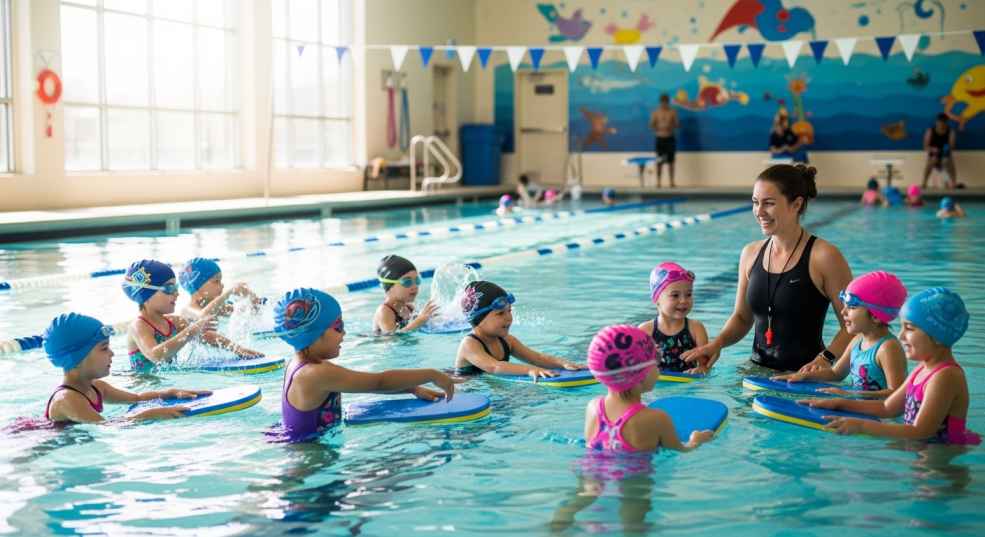
But here’s what most parents don’t realize: the recreational and community tier of activities has not disappeared. It has just become harder to find because the expensive options dominate Google searches and Instagram feeds. Programs through local libraries and community centres often include weekly drop-in dance, gymnastics, art, coding, and more, and city-run swimming lessons are far more affordable than lessons at private pools.
The secret to cheap extracurriculars in Canada isn’t luck — it’s knowing where to look.
National Programs That Subsidize Kids’ Activities Across Every Province
Before we get province-specific, these national programs are available to eligible families coast to coast.
Canadian Tire Jumpstart Charities
This is the single most powerful subsidy program for sports in Canada, and it’s dramatically underused by families who qualify. Canadian Tire Jumpstart’s Individual Child Grant program provides financial assistance to help children from low-income families participate in sport-focused activities. In 2024 alone, Jumpstart supported approximately 384,000 kids — and since 2005, nearly 4 million children have been helped.
Grants cover registration fees, equipment, and even transportation. To qualify, families submit their Canada Child Benefit statement as proof of financial need. The process is straightforward and entirely online at jumpstart.canadiantire.ca.
What activities qualify? Jumpstart supports over 70 different activities — not just hockey and soccer, but also dance lessons, martial arts, ringette, and dozens more. Basically, if your kid wants to do it, there’s a good chance Jumpstart can help pay for it.
Girl Guides and Scouts Canada
Joining Beaver Scouts or Girl Guides of Canada typically costs less than $300 for the entire year — which is a fraction of what you’d pay for a single season of competitive sports. These programs cover outdoor education, leadership, crafts, community service, and more. They’re available in virtually every community in Canada.
Public Library Programs
Canada’s public libraries are criminally underrated as activity hubs. From coding clubs and STEM workshops to art programs and drama classes, most urban and suburban libraries run free or nearly-free programming throughout the year. Check your branch’s website or call them directly — these programs fill fast.
Parks Canada Discovery Pass
Families can get a Discovery Pass with Parks Canada, providing access to national parks and historic sites as an enriching, nature-based extracurricular option. At roughly $145 for a family annual pass, it opens up hundreds of locations for hiking, kayaking, nature study, and outdoor exploration — activities that build real skills and beat screen time.
Free and Cheap Kids’ Activities by Province
Ontario
Ontario families are often surprised to discover how much is available for free or near-free outside the GTA’s private sector.
City Recreation Programs: Every Ontario municipality runs a Parks, Recreation, and Culture department. Toronto, Ottawa, Mississauga, Hamilton, and London all offer heavily discounted or fully subsidized recreational programs for low-income families through financial assistance applications. In Toronto, the Recreation Account program provides subsidized access to swimming, skating, fitness programs, and more.
School-Based Clubs: Ontario public schools offer after-school clubs in drama, robotics, chess, and intramural sports — all included with enrollment. These tend to be stronger in higher-income areas (a well-documented equity gap), but advocating at your own school can expand offerings.
Arts Programs: The Art Gallery of Ontario (AGO) offers free admission for those under 25. Many community arts centres offer sliding-scale programming. Theatre Ontario supports community theatre groups across the province where youth can participate at minimal cost.
Sports: Ontario Soccer’s community leagues start around $60–$120 per season at the recreational level — a fraction of rep costs. Minor baseball and ringette associations similarly cap recreational registration far below competitive rates.
British Columbia
BC has one of the most robust networks of community centres in the country, particularly in Metro Vancouver.
Community Centre Memberships: Vancouver Park Board community centres offer youth activity passes with subsidized rates for families receiving government assistance. Many programs — from swimming to arts and crafts — are included in the pass.
KidSport BC: KidSport Canada has provincial chapters, and BC’s chapter provides grants for kids ages 18 and under from low-income families to register in one sport per year. Applications are simple and processed quickly. Visit kidsportcanada.ca to find your local chapter.
Arts: The Vancouver School Board and many school districts run free after-school music, drama, and visual arts programs. Community organizations like ArtStarts in Schools bring professional arts programming into schools province-wide at no cost to students.
Outdoor/Nature: BC Parks offers exceptional low-cost outdoor education. Many regional districts run free junior naturalist programs and guided hikes for youth throughout the year.
Alberta
Alberta parents historically face some of the highest extracurricular costs in Canada — for instance, expected hockey costs average nearly $1,200 in Alberta, compared to $450 in Saskatchewan and Manitoba. That makes finding affordable alternatives even more important here.
Alberta’s Recreation Subsidy Programs: Many Alberta municipalities — including Calgary and Edmonton — offer leisure access programs that reduce or waive recreation centre fees for qualifying low-income families. In Calgary, the Leisure Access Program covers swimming, skating, fitness classes, and drop-in programs.
Free Community Arts: The Art Gallery of Alberta in Edmonton offers youth programming, and many community leagues run free or low-cost arts workshops. Alberta’s community leagues (unique to Edmonton) are grassroots neighbourhood organizations that run skating rinks, sports programs, and cultural events for minimal membership fees.
Sport Subsidies: KidSport Alberta chapters operate across the province. Alberta also has the Rec Connect program in some municipalities specifically targeted at getting marginalized youth into sports and recreation.
Saskatchewan and Manitoba
These two provinces consistently show the lowest expected costs for youth sports in Canada, which means families are already ahead of the curve. Still, free programs are abundant.
Community Recreation: Both provinces have strong community rink and recreation hall cultures, particularly in smaller towns. Minor hockey, ringette, and curling often run at true community rates ($150–$300 per season) rather than the privatized prices seen in larger cities.
Libraries and Community Clubs: Saskatoon and Winnipeg public libraries run robust free programming for youth. In Manitoba, the Healthy Kids Community Challenge has funded local programs that are still running in many communities. Winnipeg’s Leisure Guide includes hundreds of affordable options through the City’s parks and recreation division.
Quebec
Quebec’s approach to youth activities is notably different from the rest of Canada, and largely more affordable, thanks to a strong culture of municipal investment in recreation.
Quebec parents report the lowest expected costs for swimming lessons — averaging $160 per year — compared to Atlantic Canada where similar lessons run nearly $212. This reflects the province’s tradition of municipally subsidized recreation.
Loisirs Montréal: Montreal’s leisure council coordinates hundreds of neighbourhood activity programs at community centres. Youth can enroll in sports, arts, music, and social clubs at rates that often amount to $30–$80 per session or season.
Conseil des arts de Montréal: Supports community arts organizations, many of which offer free workshops and programs for youth.
Arts and Cultural Programs: Quebec’s CEGEP and public school system integrates extracurricular arts deeply into the curriculum, meaning many arts experiences are already built into schooling. Community music programs, particularly in francophone communities, are often subsidized.
Atlantic Canada (New Brunswick, Nova Scotia, PEI, Newfoundland & Labrador)
Atlantic Canada has strong community sport cultures, and while some costs are higher than in central and western provinces, community-based programs remain affordable.
Sport Nova Scotia and KidSport Atlantic: Both organizations fund grants for youth sport registration. Nova Scotia also runs the Active Kids program in many school districts, integrating physical activity into the school day and after-school hours.
Libraries and Community Centres: Halifax, Moncton, Fredericton, Charlottetown, and St. John’s all run city-funded recreation programs with subsidized rates for low-income families.
Outdoor Recreation: Atlantic Canada’s geography makes outdoor activities (hiking, kayaking, beach sports, cycling) inherently cheap. Trails NB, Trails Nova Scotia, and similar organizations maintain free trail networks that support year-round outdoor activity for kids.

TABLE 1: Average Cost Comparison — Recreational vs. Competitive Extracurriculars in Canada
TABLE 1: Recreational vs. Competitive Extracurricular Cost Comparison (Annual Estimates, CAD)
| Activity | Recreational/Community Level | Competitive/Rep Level | Notes |
|---|---|---|---|
| Soccer | $60 – $150 | $800 – $2,500 | Includes registration; excludes travel |
| Swimming Lessons | $80 – $200 | $1,500 – $3,500 (competitive club) | City programs on low end |
| Hockey | $300 – $600 | $1,200 – $5,000+ | Alberta/BC highest; Prairies lowest |
| Dance | $200 – $500 | $3,000 – $10,000 | Competitive includes costumes, travel |
| Gymnastics | $150 – $400 | $2,000 – $6,000 | Competitive requires private club |
| Arts/Painting | $0 – $150 | N/A (usually rec-only) | Library programs often free |
| Scouts/Guides | $150 – $300/year | N/A | One of Canada’s best-value programs |
| School Sports | $0 – $50 | N/A | Included with public school enrollment |
Sources: Ipsos/Global News 2017 survey data; MoneySense 2025; community recreation centre fee schedules
TABLE 2: Free and Subsidized Programs by Province — Quick Reference
TABLE 2: Key Affordable Extracurricular Resources by Province
| Province | Top Free/Low-Cost Resource | Financial Assistance Available? | Website |
|---|---|---|---|
| Ontario | City Recreation Programs + AGO (free under 25) | Yes – Recreation Account (Toronto & others) | toronto.ca/recreation |
| British Columbia | Vancouver Park Board + KidSport BC | Yes – Leisure Access Programs | kidsportcanada.ca |
| Alberta | Community Leagues (Edmonton) + Leisure Access Programs | Yes – Calgary Leisure Access | calgary.ca |
| Saskatchewan | Community Rinks + Saskatoon Libraries | Yes – via Jumpstart + KidSport | jumpstart.canadiantire.ca |
| Manitoba | Winnipeg Leisure Guide + Libraries | Yes – via Jumpstart | winnipeg.ca |
| Quebec | Loisirs Montreal + Municipal Centres | Yes – municipal sliding scale | loisirs-montreal.qc.ca |
| Nova Scotia | Active Kids Program + KidSport Atlantic | Yes – Sport Nova Scotia | kidsportcanada.ca |
| New Brunswick | Community Centres + Jumpstart | Yes – Jumpstart + KidSport | jumpstart.canadiantire.ca |
| PEI | Community Recreation Programs | Yes – via Jumpstart | jumpstart.canadiantire.ca |
| Newfoundland | Recreation NL + Libraries | Yes – via KidSport NL | kidsportcanada.ca |
How to Find Free Kids’ Programs in Your Specific Community
Even with this guide, the best deals are hyper-local. Here’s a reliable process for finding them wherever you live:
Start with your municipality’s website. Search “[Your City] Parks and Recreation” or “[Your City] leisure guide.” Every Canadian municipality publishes a seasonal activity guide, and most have online registration portals. Many have fee waiver applications that are not prominently advertised.
Call 211. The 211 helpline (available across Canada) connects families to local social services, including subsidized recreation programs. It’s particularly useful for finding lesser-known community-specific grants.
Check your school’s parent council. Many schools have discretionary funds to help kids access after-school activities, or they know of community grants that aren’t widely advertised.
Visit your local library in person. Staff often know about programs that aren’t fully listed online. Youth librarians are an underrated resource for connecting families with free programming.
Facebook community groups. Your neighbourhood’s Facebook group or local Buy Nothing group is often where parents share info about free trial classes, donated equipment, and subsidized spots in programs.
Common Mistakes Parents Make When Budgeting for Extracurriculars
Even frugal parents fall into traps. Here are the most common:
Assuming free programs are inferior. Community rec soccer teaches the same fundamentals as rep soccer for a seven-year-old. At that age, the social and physical development benefits are identical — only the cost differs.
Paying for the whole season upfront before your child is committed. Ask about trial classes or drop-in options before committing to a full season. Most recreational programs allow this; competitive ones often do not.
Ignoring the hidden costs. Registration is just the beginning. Before committing to a program, ask for a full breakdown of fees and budget an additional 5–10% for unexpected costs — uniforms, equipment, recital fees, travel, and fundraising contributions add up fast.
Not applying for subsidies because you assume you won’t qualify. Many subsidy programs have broader eligibility than parents assume. Jumpstart, KidSport, and municipal leisure access programs are underused specifically because eligible families don’t apply. There is zero downside to applying.
Over-scheduling. As Vancouver-based psychiatrist Dr. Shimi Kang has pointed out, too many extracurriculars can cause significant stress for children. Extracurriculars can provide a great physical outlet, but packed schedules put pressure on kids and families alike — and we definitely don’t need to go into debt for them. One great activity your child loves beats four mediocre ones that drain the budget.
The Bottom Line: Frugal Extracurriculars Are a Mindset Shift, Not a Sacrifice
The families spending $1,160+ per child per year on extracurriculars aren’t getting better outcomes for their kids. They’re often just accessing the most visible, most marketed programs. The families spending $150–$300 per year are in the same pools, on the same soccer fields, making the same friendships — they just know where to look.
Community centres, libraries, and schools provide free or low-cost extracurricular activities that are great alternatives to more expensive programs. The infrastructure exists in every Canadian province. The subsidies exist. The grants exist. The only thing missing is awareness — and now you have it.
Your action plan:
- Apply for Canadian Tire Jumpstart if your family qualifies (even if you’re not sure — apply anyway)
- Check your municipality’s recreation guide and financial assistance options
- Contact KidSport in your province for sport-specific grants
- Visit your local library and community centre in person to ask about unlisted programming
- Choose one or two meaningful activities over a packed schedule
Your kid will thrive. Your budget will thank you.
Sources and Further Reading
- Canadian Tire Jumpstart Charities: jumpstart.canadiantire.ca
- KidSport Canada (all provinces): kidsportcanada.ca
- Global News / Ipsos Extracurricular Cost Poll: globalnews.ca
- MoneySense — How Much Are Families Spending on Extracurriculars: moneysense.ca
- Active for Life — Affording Children’s Activities: activeforlife.com
- Parks Canada Discovery Pass: parks.canada.ca
- 211 Canada (find local subsidized programs): 211.ca
