

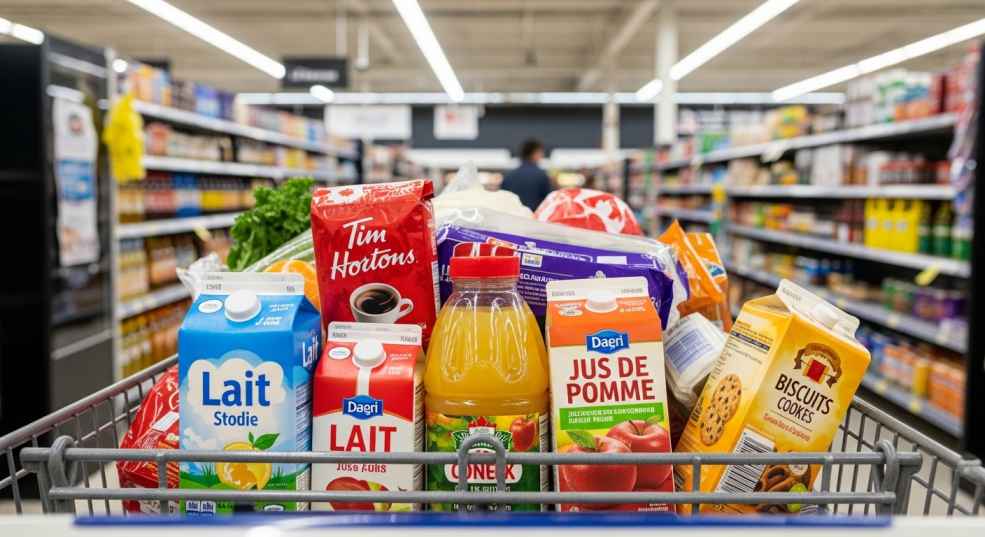
When Statistics Canada reports that the average family of four now spends $17,572 annually on groceries—that’s nearly $1,500 per month—the idea of feeding your family well on $800 might seem impossible. But I’m here to tell you it’s not only achievable, it’s sustainable, and your family won’t feel deprived.
I’ve spent the last three years helping my own family of four navigate rising food costs while maintaining nutritious, satisfying meals. Through trial, error, and countless grocery trips, I’ve developed a system that consistently keeps us under $800 monthly without resorting to ramen every night or eliminating fresh produce. This isn’t about extreme couponing or deprivation—it’s about strategic planning, smart substitutions, and understanding where your grocery dollars actually go.
In this comprehensive guide, I’ll share the exact strategies, meal plans, and shopping techniques that have saved my family over $8,000 annually on groceries. Whether you’re in Toronto facing sky-high food prices or in a smaller community with limited store options, these principles will help you reclaim control of your family grocery budget in Canada.
Understanding the Reality of Canadian Grocery Costs in 2026
According to Dalhousie University’s 2026 Food Price Report, Canadian families are facing a 4-6% increase in overall food prices this year. Meat prices have surged the most dramatically, with beef seeing increases of 5-7%. The report projects that families will spend up to $994 more on groceries compared to 2025.
But here’s what the statistics don’t tell you: these projections are based on average shopping habits, which include significant spending on convenience foods, brand-name products, and inefficient meal planning. The gap between what families typically spend and what they need to spend is enormous.
The $800 Reality Check: Is It Actually Possible?
Yes, but with honest caveats. An $800 monthly grocery budget for a family of four breaks down to approximately: – $200 per week – $6.67 per person, per day – $2.22 per person, per meal
This requires intentional shopping, consistent meal planning, and cooking most meals at home. You won’t be buying organic everything, you’ll reduce meat portions, and convenience foods will be rare treats rather than staples. But you will eat well—nutritionally balanced meals that your family actually enjoys.
[TABLE #1 – Budget Breakdown Comparison]
| Expense Category | Average Canadian Family* | $800 Budget Family | Monthly Savings |
|---|---|---|---|
| Fresh Meat & Poultry | $420 | $180 | $240 |
| Fresh Produce | $280 | $200 | $80 |
| Dairy & Eggs | $180 | $140 | $40 |
| Pantry Staples | $160 | $120 | $40 |
| Bread & Baked Goods | $120 | $60 | $60 |
| Snacks & Treats | $150 | $40 | $110 |
| Beverages | $90 | $30 | $60 |
| Convenience/Frozen | $100 | $30 | $70 |
| MONTHLY TOTAL | $1,500 | $800 | $700 |
*Based on 2026 averages from Dalhousie University Food Price Report. Source : Dalhousie University Canada’s Food Price Report 2026
The Foundation: 7 Non-Negotiable Principles for Budget Success
Before diving into specific meal plans and shopping strategies, you need to understand the fundamental principles that make feeding a family on $800 actually work. Skip these, and you’ll find yourself back at $1,200+ in no time.
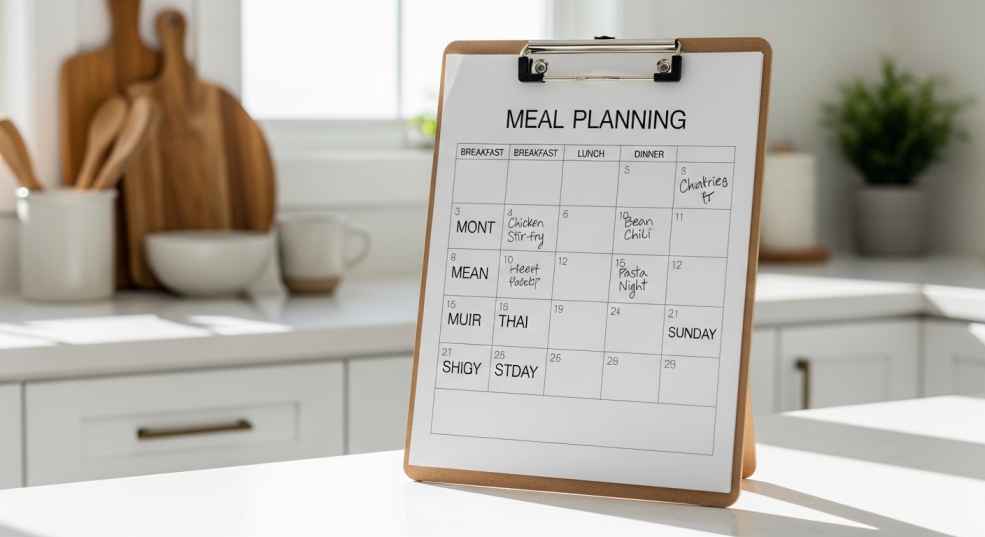
1. Meal Planning Is Your Superpower (Not Optional)
Every dollar saved starts with a plan. I’ve tracked our spending meticulously, and the correlation is undeniable: the weeks I skip meal planning, our grocery bill jumps by 30-40%. Here’s why:
Without a plan, you make three expensive mistakes: – Impulse purchases that seem necessary in the moment – Duplicate ingredients you already have at home – Wasted food because ingredients don’t align with actual meals
Successful meal planning for budget purposes means planning backwards from what you already have, not forward from what sounds good.
2. Protein Strategy: The 50/50 Split
Protein is your biggest budget challenge in 2026 Canada. With beef prices soaring and chicken following suit, the traditional “meat with every dinner” approach will demolish an $800 budget.
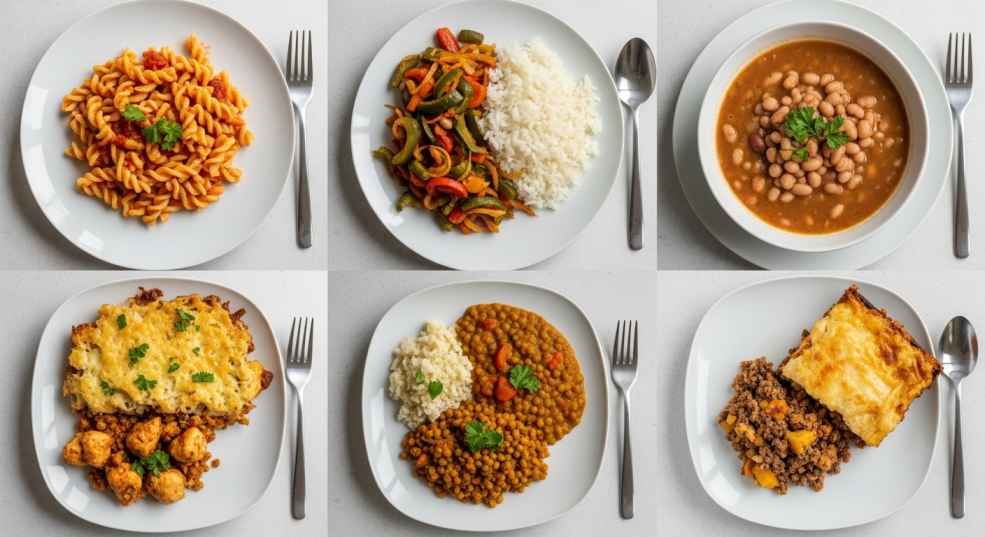
My family follows what I call the 50/50 Protein Split: – 50% of dinners: Plant-based protein (beans, lentils, eggs, tofu) – 50% of dinners: Animal protein (chicken, ground meat, fish, pork)
This single change cut our protein spending from $450 to $180 monthly—a $270 savings that makes everything else possible.
3. The $2 Per Pound Rule for Produce
Not all vegetables are created equal from a budget perspective. I’ve learned to focus our produce spending on items that cost $2 per pound or less when possible:
Budget Champions (Under $2/lb): – Carrots, potatoes, onions, cabbage – Seasonal apples, bananas – Celery, frozen vegetables
Occasional Treats ($2-4/lb): – Bell peppers, broccoli, cauliflower – Fresh berries (in season) – Leafy greens
Special Occasion Only (Over $4/lb): – Out-of-season berries – Pre-cut vegetables – Exotic produce
4. Embrace the Bulk Buy (With Strategy)
Buying in bulk saves money, but only if you actually use everything before it spoils. I’ve learned this lesson through expensive mistakes—like the time I bought 10 pounds of mushrooms on sale and watched half rot in the fridge.
Smart bulk purchases: – Rice, pasta, oats, flour (store 1+ years) – Dried beans and lentils (store 2+ years) – Frozen vegetables (store 8-12 months) – Meat to portion and freeze (use within 3-6 months)
Bulk traps to avoid: – Fresh produce that spoils quickly (lettuce, berries, herbs) – Products you’re “trying” (buy small first) – Anything requiring special storage you don’t have
5. Generic Is Your Friend (Usually)
I used to be a brand snob. Then I did blind taste tests with my family. The results were humbling: they genuinely couldn’t tell the difference between no-name pasta and the fancy Italian brand, or between generic and name-brand canned tomatoes.
Always buy generic: – Flour, sugar, salt, baking essentials – Pasta, rice, oats – Canned goods (tomatoes, beans) – Frozen vegetables
Worth buying brand-name: – Peanut butter (texture differences are real) – Certain condiments (ketchup, mayonnaise) – Toilet paper and paper towels (quality matters)
6. Cook Once, Eat Twice (Minimum)
Every meal you cook should serve you at least twice. This doesn’t mean eating identical leftovers—it means strategic batch cooking and recipe transformation.
Example: Sunday’s roast chicken becomes: – Sunday dinner: Roast chicken with vegetables – Monday lunch: Chicken sandwiches – Tuesday dinner: Chicken fried rice – Wednesday lunch: Chicken soup from the carcass
One chicken, four meals. This is the power of strategic cooking.
7. Master the Loss Leaders
Canadian grocery stores operate on a loss leader model—they advertise specific items at or below cost to get you in the door, hoping you’ll buy higher-margin products once there. Your job is to exploit this ruthlessly.
Each week, check flyers for loss leaders (usually front page), build your meal plan around them, and buy nothing else. This requires discipline and multiple store visits, which isn’t feasible for everyone. If you can’t visit multiple stores, use price-matching where available or commit to one store’s loss leaders that week.
Your Realistic $800 Monthly Meal Plan
This is where theory meets practice. I’m going to share our actual four-week rotating meal plan that consistently keeps us at or under $800. This isn’t aspirational Pinterest perfection—it’s what actually works in a real Canadian kitchen.
Week 1 Sample Menu
Monday: – Breakfast: Oatmeal with banana and cinnamon – Lunch: Leftover soup from Sunday batch – Dinner: Slow cooker lentil chili with cornbread (Serves 6-8)
Tuesday: – Breakfast: Toast with peanut butter and apple slices – Lunch: Leftover chili over rice – Dinner: Chicken stir-fry with frozen vegetables and rice (Serves 4-5)
Wednesday: – Breakfast: Scrambled eggs with toast – Lunch: Chicken stir-fry leftovers – Dinner: Spaghetti with meat sauce and side salad (Serves 6)
Thursday: – Breakfast: Oatmeal with frozen berries – Lunch: Leftover spaghetti – Dinner: Bean and cheese quesadillas with salsa (Serves 4)
Friday: – Breakfast: Yogurt with granola – Lunch: Quesadilla leftovers – Dinner: Homemade pizza using dough recipe (Serves 4-5)
Saturday: – Breakfast: Pancakes with syrup – Lunch: Grilled cheese and tomato soup – Dinner: Roasted chicken thighs with mashed potatoes and carrots (Serves 4-5)
Sunday: – Breakfast: Breakfast burritos with eggs, beans, cheese – Lunch: Leftover roasted chicken – Dinner: Large batch vegetable soup for next week (Serves 8-10)
Weekly Cost Breakdown: – Proteins: $42 (ground beef, chicken thighs, eggs, beans) – Produce: $38 (onions, carrots, potatoes, apples, bananas, lettuce) – Dairy: $28 (milk, cheese, yogurt) – Pantry: $32 (pasta, rice, oats, flour, canned goods) – Total: $140
The Power of Rotating Meal Plans
Rather than planning 30 different meals each month, I maintain four weekly meal plans that rotate. This system offers three massive benefits:
- Reduced mental load: You’re not constantly deciding what to cook
- Ingredient efficiency: You buy the same core items, reducing waste
- Shopping automation: Your grocery list becomes predictable
After eight weeks of rotation, I adjust based on what worked and what didn’t. Maybe we were tired of lentil chili, so I swap it for bean burritos. The framework stays, specific meals evolve.
Strategic Shopping: Where and How to Buy
The “where” and “how” of grocery shopping matters as much as the “what.” A brilliant meal plan fails if you overpay for ingredients or fall victim to marketing tactics designed to increase your spending.
The Multi-Store Strategy (When Possible)
I know this isn’t feasible for everyone—time and transportation are real constraints. But if you can manage it, shopping at multiple stores weekly saves significant money:
Costco (monthly trip): – Bulk dry goods: rice, pasta, oats, flour – Large frozen vegetable bags – Toilet paper and cleaning supplies – Monthly spend: ~$120
No Frills or FreshCo (weekly trip): – Loss leader proteins – Produce on sale – Dairy essentials – Weekly spend: ~$80-90
Local ethnic grocery stores (bi-weekly): – Affordable spices and cooking oils – Cheaper produce varieties – Unique protein options (tofu, alternative cuts) – Bi-weekly spend: ~$40
If you can only shop at one store, choose the one with the best overall prices in your area—usually discount chains like No Frills, Food Basics, or Walmart. Build your meal plan entirely around that store’s weekly sales.
The Strategic Shopping List Method
My shopping lists follow a specific format that prevents impulse purchases:
Format:
PROTEINS (Budget: $42)
□ Chicken thighs - $18 (sale price $4.99/lb × 3.5 lbs)
□ Ground beef - $16 (store brand, 2 lbs)
□ Eggs - $8 (2 dozen)

PRODUCE (Budget: $38)
□ Carrots - $3 (5 lb bag)
□ Potatoes - $5 (10 lb bag)
[continuing with specific quantities and prices]
The key is pre-calculating expected costs based on current flyer prices. When you arrive at the store, if an item is more expensive than anticipated, you have three options: 1. Skip it and adjust meals 2. Buy less quantity 3. Substitute with something on sale
Never just accept the higher price and hope your budget stretches.
Price Tracking: Know Your Baseline Costs
I maintain a simple spreadsheet with baseline prices for items we buy regularly. This takes about 10 minutes to set up and saves hundreds annually by helping me recognize truly good deals versus marketing tricks.
[TABLE #2 – Price Per Unit Tracking]
| Item | Size | Regular Price | Great Sale Price | Stock-Up Price |
|---|---|---|---|---|
| Chicken Thighs | per lb | $6.99 | $4.99 | $3.99 or less |
| Ground Beef (lean) | per lb | $7.99 | $5.99 | $4.99 or less |
| Pasta (dry) | 900g box | $3.99 | $1.99 | $1.49 or less |
| Canned Tomatoes | 796ml | $2.49 | $1.49 | $0.99 or less |
| Rice (long grain) | 10 lb | $15.99 | $10.99 | $8.99 or less |
| Dried Beans | per lb | $3.49 | $2.49 | $1.99 or less |
| Frozen Vegetables | 750g bag | $4.99 | $2.99 | $1.99 or less |
| Eggs | dozen | $5.99 | $4.49 | $3.99 or less |
| Milk (2% or 3.25%) | 4L jug | $6.99 | $5.49 | $4.99 or less |
| Cheese (block) | per lb | $8.99 | $6.99 | $5.99 or less |
When an item hits “stock-up price,” I buy as much as I can reasonably use before expiry. This is when bulk buying pays off.
Recipe Engineering: Making Budget Meals Your Family Will Actually Eat
The harsh truth about budget cooking: your family won’t cooperate if meals taste like poverty. I learned this when I made “budget-friendly” lentil loaf that my kids refused to eat. The wasted ingredients and the fallback takeout order cost more than just buying decent ingredients in the first place.
Budget cooking requires engineering meals that deliver maximum flavor, nutrition, and satisfaction at minimum cost.
The 15 Budget Meal Staples That Never Fail
These recipes appear in our rotation constantly because they’re inexpensive, scalable, and genuinely enjoyed:
1. One-Pot Pasta Meals – Total cost per serving: $1.20 – Why it works: Minimal dishes, endless variations, quick prep
2. Slow Cooker Bean Chili – Total cost per serving: $0.85 – Why it works: Makes huge batch, freezes beautifully, protein-packed
3. Stir-Fry with Whatever’s on Sale – Total cost per serving: $1.50 – Why it works: Frozen vegetables work perfectly, uses small amounts of protein
4. Egg-Based Dinners (Frittata, Breakfast for Dinner) – Total cost per serving: $0.90 – Why it works: Eggs are consistently affordable protein, quick cooking
5. Homemade Pizza – Total cost per serving: $1.30 – Why it works: Kids love it, uses pantry staples, adaptable toppings
6. Lentil Curry – Total cost per serving: $0.95 – Why it works: Satisfying comfort food, spices make it exciting
7. Chicken and Rice Casserole – Total cost per serving: $1.60 – Why it works: Stretches small amounts of chicken, one-dish meal
8. Bean and Cheese Quesadillas – Total cost per serving: $0.75 – Why it works: Fast, filling, universally liked
9. Spaghetti with Meat Sauce – Total cost per serving: $1.35 – Why it works: Classic comfort food, ground beef stretches far in sauce
10. Loaded Baked Potato Bar – Total cost per serving: $1.10 – Why it works: Fun for kids, potatoes are cheap, toppings are customizable
11. Soup and Homemade Bread – Total cost per serving: $0.80 – Why it works: Extremely filling, batch cooking friendly
12. Chicken Thigh Sheet Pan Dinners – Total cost per serving: $1.80 – Why it works: Thighs are cheaper than breasts, one-pan easy cleanup
13. Tuna Pasta Bake – Total cost per serving: $1.15 – Why it works: Canned tuna is budget-friendly protein, kids enjoy it
14. Black Bean Burgers – Total cost per serving: $0.65 – Why it works: Meat-free without tasting like sacrifice
15. Breakfast Burritos (Freezable) – Total cost per serving: $0.95 – Why it works: Make ahead, grab-and-go, uses inexpensive ingredients
Dealing with the Variables: Kids, Preferences, and Special Diets
Real families have real complications. I’ve received dozens of questions about how to adapt budget eating to specific circumstances.
Feeding Picky Eaters on a Budget
My youngest went through a phase where she’d only eat exactly four things. Catering to extreme pickiness is expensive because you can’t meal plan efficiently. Here’s what worked:
The “No Thank You Helping” Rule Everyone takes one small bite of everything served. If they genuinely dislike it (not just “not in the mood”), they can make themselves a peanut butter sandwich. This rule prevented us from becoming a short-order kitchen while respecting genuine preferences.
Involvement Creates Buy-In Kids who help cook are exponentially more likely to eat the result. My picky eater became invested in “her” recipes. Start with simple tasks: stirring, measuring, assembling quesadillas.
Strategic Hiding (When Necessary) I’m not above pureeing vegetables into pasta sauce or hiding lentils in meat sauce. It’s not ideal long-term, but it bridges the gap while you work on expanding preferences.
Accommodating Dietary Restrictions
Dairy-free: This actually reduces costs. Plant-based milk is comparable to dairy prices, and eliminating cheese (expensive) forces creativity with other flavors.
Gluten-free: This one’s expensive if you buy specialty products. Instead, focus on naturally gluten-free meals: rice bowls, potato-based dinners, corn tortillas instead of wheat.
Vegetarian: Easier on the budget than omnivorous eating. Beans and lentils are cheaper than any meat. Your biggest challenge is meal variety to prevent boredom.
Managing Food Allergies
Allergies add complexity and cost, no sugarcoating it. My neighbor’s son has a severe nut allergy, and she’s taught me that budget cooking with allergies requires:
- Extremely careful label reading (which takes time)
- Cooking from scratch (pre-made allergy-friendly products are expensive)
- Simple ingredient lists (fewer ingredients = fewer allergy concerns)
- Strategic substitutions (sunflower seed butter instead of peanut butter)
The Monthly Shopping Calendar: Timing Is Money
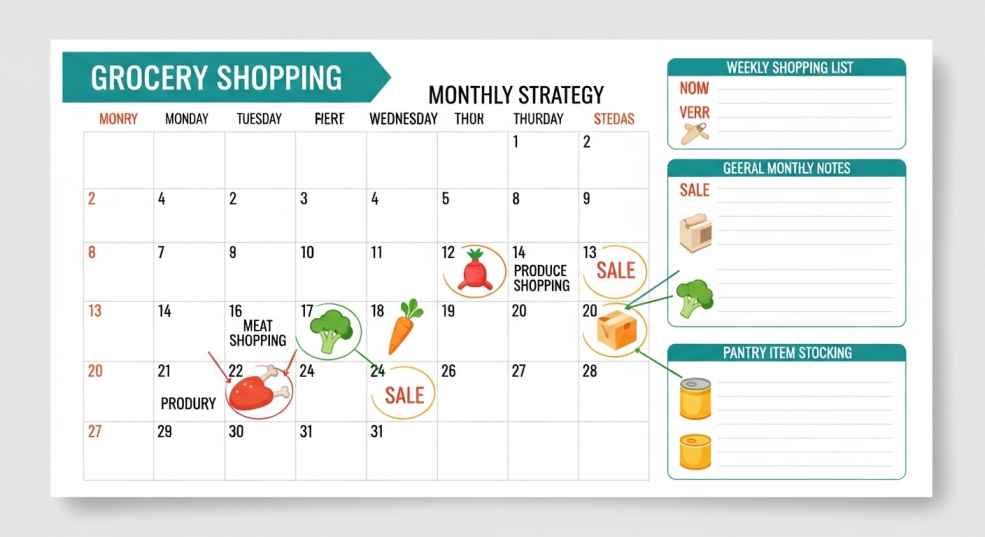
Canadian grocery pricing follows predictable patterns. Understanding these rhythms lets you align major purchases with lowest prices.
Best Times to Buy:
Meat: – Monday or Tuesday (discounting weekend stock) – Month-end (stores clearing inventory) – Stock up: Every 6-8 weeks when your preferred protein hits rock-bottom
Produce: – Wednesday/Thursday (new sales start, stock is fresh) – Buy seasonal: Winter = root vegetables; Summer = berries, tomatoes
Pantry Staples: – Fall (September-October): Back-to-school sales on lunch items, snacks – January: Post-holiday clearance on baking supplies – Monthly: First week of each month for bulk sales at warehouse stores
Waste Prevention: The Hidden Budget Killer
I tracked our food waste for one month and discovered we were throwing away approximately $75 worth of food. That’s nearly 10% of our budget going directly into the garbage. Fixing this was transformative.
The FIFO System
“First In, First Out” isn’t just for restaurants. When you bring groceries home: – Move older items to the front of the fridge/pantry – Place new purchases behind them – Use a “eat me first” bin in the fridge for items approaching expiry
This simple reorganization cut our waste by half immediately.
Vegetable Scrap Stock
Every vegetable peeling, onion end, celery leaf, and carrot top goes into a freezer bag. When full, I make stock. This creates free, flavorful cooking liquid while reducing waste. The scraps you’d throw away make stock that would cost $4-5 at the store.
Strategic Freezing
Almost everything freezes better than you think: – Bread (toast directly from frozen) – Milk (shake well after thawing) – Cheese (texture changes slightly, but fine for cooking) – Cooked rice and pasta – Chopped vegetables for cooking – Overripe bananas (for baking)
When something’s approaching expiry, freeze it. Your future self will thank you.
Leftover Transformation
Leftovers get a bad reputation because people reheat the exact same meal. Transform instead:
Monday’s roast chicken becomes: – Shredded for tacos – Diced for fried rice – Tossed in pasta – Base for soup
Same ingredient, completely different meals.
Budget Upgrades: Adding Joy Without Breaking the Bank
Living on $800 monthly shouldn’t feel like punishment. Strategic “upgrades” keep family morale high without destroying your budget.
The 10% Treat Rule
I allocate 10% of our grocery budget ($80 monthly) for treats and quality-of-life upgrades: – Better coffee – A special cheese – Ice cream – Bakery bread occasionally – Chocolate
This small allowance prevents resentment and “budget burnout” that leads to expensive rebellion meals.
Homemade Versions of Convenience Foods
Some convenience foods are easy and cheap to make yourself:
Granola bars: $0.30 per bar homemade vs. $1.00+ store-bought Hummus: $1.50 per batch homemade vs. $5.00 store-bought
Salad dressing: $0.50 per batch homemade vs. $4.00 store-bought Bread: $0.60 per loaf homemade vs. $3.50+ store-bought
These aren’t all-or-nothing. Make what fits your schedule and skill level.
Strategic Splurges
Some ingredients are worth paying more for because they elevate multiple meals: – Quality olive oil: Makes simple pasta feel special – Real Parmesan cheese: A little goes far, transforms dishes – Smoked paprika and quality spices: Inexpensive way to add complexity – Good vanilla extract: For all your baking
These items last months and make budget meals taste elevated.

Troubleshooting Common Budget Failures
I’ve failed at budget grocery shopping more times than I’ve succeeded. Here are the pitfalls I’ve learned to avoid:
“We Were So Good, Let’s Get Takeout”
The budget success reward trap. You’ve been disciplined all week, so Friday night you “deserve” takeout. That $60 order just erased 30% of your weekly savings.
Solution: Plan one easy/fun meal Friday nights. Homemade pizza, taco bar, breakfast for dinner—something that feels like a treat without the cost.
The Middle-of-Week Grocery Store Run
You forgot an ingredient or ran out of milk. A “quick trip” for one item turns into $40 of impulse purchases.
Solution: Keep backup basics (powdered milk, extra pasta, canned goods) for these moments. Or genuinely commit to buying ONLY the needed item.
Sales That Aren’t Really Sales
“50% off!” sounds amazing until you realize the base price was inflated, or you’re buying something you wouldn’t normally purchase just because it’s on sale.
Solution: Know your baseline costs (see the price tracking table earlier). Only buy sales on items you actually use.
The “Healthy Eating” Budget Explosion
You commit to eating healthier and suddenly your cart is full of expensive organic produce, specialty grains, and superfood powders.
Solution: Healthy eating doesn’t require expensive ingredients. Frozen vegetables are just as nutritious as fresh. Regular oats are identical nutritionally to fancy granola. Dried beans are superfoods at $2 per pound.
“Just This Once” Exceptions
Each individual exception seems reasonable: kid’s birthday party, unexpected guests, crazy busy week, bad day that deserves ice cream. But exceptions happen multiple times monthly, and they devastate your budget.
Solution: Build a “exceptions buffer” into your budget. I allocate $40 monthly for genuinely unexpected situations. When it’s gone, it’s gone.
Advanced Strategies: Taking It to the Next Level
Once you’ve mastered the basics and consistently hit your $800 target, these advanced strategies can reduce costs further or improve meal quality without increasing spending.
The Freezer Inventory System
I keep a whiteboard on our freezer listing everything inside with purchase dates. This prevents: – Forgetting what you have – Freezer burn from items buried too long – Double-buying frozen items
Example inventory:
FREEZER CONTENTS (Updated: Feb 19, 2026)
- Ground beef (2 lbs) - Jan 28
- Chicken thighs (3 lbs) - Feb 5
- Mixed vegetables (3 bags) - Jan 15
- Homemade stock (4 containers) - Feb 1
- Bread (2 loaves) - Feb 12
This takes 30 seconds to update but saves dozens of dollars in prevented waste.
Building a Strategic Pantry
A well-stocked pantry means you can skip stores when prices are terrible or when you’re too busy to shop efficiently. I aim to maintain one month’s worth of dry goods as a buffer.
Core pantry inventory: – 20 lbs rice – 10 lbs pasta (various shapes) – 5 lbs dried beans (mixed varieties) – 5 lbs lentils – 10 lbs flour – 5 lbs sugar – Oils, vinegars, soy sauce – Full spice cabinet – 20 cans tomatoes – 10 cans beans
This represents about $100-120 invested, but it creates enormous flexibility and shields you from price spikes.
The Power of Routine
My most successful money-saving habit is boring: we eat the same breakfast every weekday. Monday through Friday: – Adults: Oatmeal or toast with peanut butter – Kids: Choice of cereal or oatmeal
This eliminates breakfast decision fatigue and shopping variability. We save variety for dinners and weekends.
Community Resources
Many communities offer resources that can supplement your grocery budget:
Community gardens: Growing even a few vegetables adds value Food banks: No shame if you need temporary assistance Community freezers: Some neighborhoods have shared food programs Buy Nothing groups: Free food exchanges on Facebook Gleaning programs: Free produce from farms/orchards
Real Results: What This Actually Looks Like
I want to end with reality, not aspiration. Here’s our actual spending from January 2026 to prove this works:
January 2026 Grocery Spending: – Week 1 (Jan 5): $195 – Week 2 (Jan 12): $178
– Week 3 (Jan 19): $203 – Week 4 (Jan 26): $188 – Extra (emergency milk, forgotten ingredient): $22 – Total: $786
Not perfect, but under $800. Some weeks we overspend slightly, other weeks we’re under. The monthly average is what matters.
Your Action Plan: Starting Tomorrow
Reading about budget grocery shopping doesn’t save money. Implementation does. Here’s your concrete action plan:
This Week:
- Track every grocery purchase with receipts
- Inventory your pantry, fridge, and freezer
- Create ONE meal plan for next week using what you already have
- Check local flyers for one store’s sales
This Month:
- Implement rotating meal planning (start with 2 weeks)
- Set up basic price tracking for your top 10 purchases
- Try three new budget-friendly recipes
- Reduce meat in half your dinners
This Quarter:
- Build your strategic pantry
- Master batch cooking and freezing
- Develop your reliable shopping routine
- Track monthly spending against $800 target
The goal isn’t perfection in week one. Progress beats perfection. If you reduce your current grocery spending by $200 monthly, you’re $2,400 richer annually. If you hit $800, you’re saving potentially $700+ monthly compared to average Canadian families—that’s $8,400 annually.
Final Thoughts: Making It Sustainable
I’ll be honest: some months are harder than others. December with holiday meals, summer with kids home all day eating constantly, weeks where everything goes wrong—these test your commitment.
But here’s what I’ve learned over three years of feeding my family on $800 monthly: this isn’t about sacrifice. It’s about intentionality. We eat as well now as we did when spending $1,400 monthly. We actually eat better—more vegetables, less processed food, more variety in our meals.
The difference is that now I’m in control of our food spending, rather than food spending controlling us. That sense of agency, of competence, of strategic thinking—it extends beyond groceries. It’s changed how we approach our entire financial life.
Your family of four can absolutely eat well on $800 monthly in 2026 Canada. It requires planning, discipline, and strategy, but it’s achievable. And the financial freedom it creates? That’s worth every meal plan, every strategic substitution, every batch cooking Sunday.
You’ve got this. Start small, build momentum, and before you know it, that $800 budget won’t feel restrictive—it’ll feel empowering.
